Why QEEG is Your Secret Weapon for Whole-Body Health Optimization
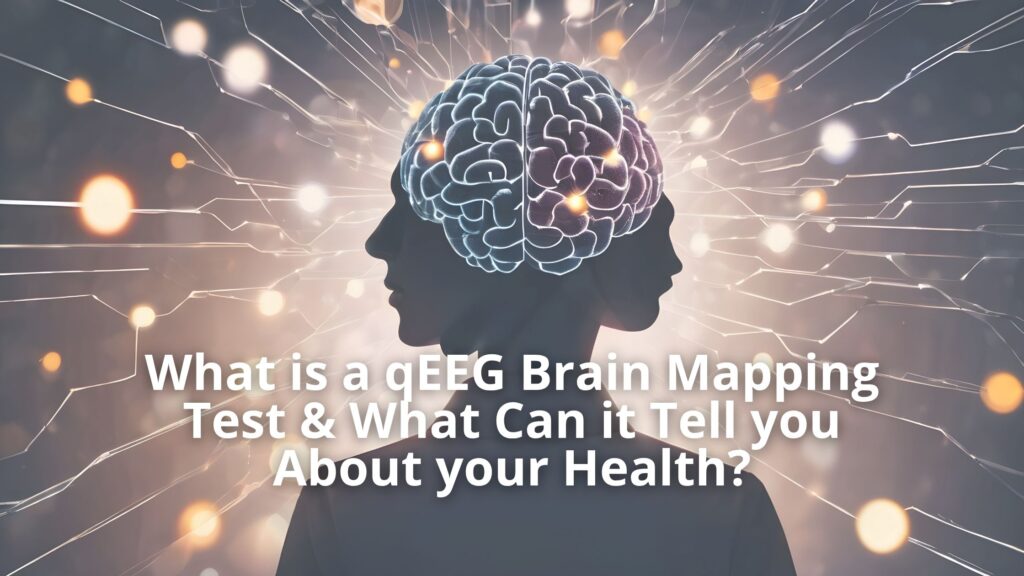
Quantitative electroencephalography (QEEG) brain mapping in Newport Beach CA, at Beyond Functional Medicine is a neuroimaging technique that measures and analyzes the electrical activity of the brain using electrodes placed on the scalp.
Purpose of QEEG Brain Mapping Test:
QEEG brain mapping is used to:
- Identify abnormalities in brain wave patterns associated with various neurological and psychiatric conditions, such as attention-deficit/hyperactivity disorder (ADHD), autism, depression, anxiety, vitamin deficiencies, and sleep disturbances.
- Assess brain function after a head injury or stroke.
- Monitor the effectiveness of treatments for brain disorders.
- Provide insights into cognitive strengths and weaknesses.
How it works: What to expect during your QEEB Brain mapping test:
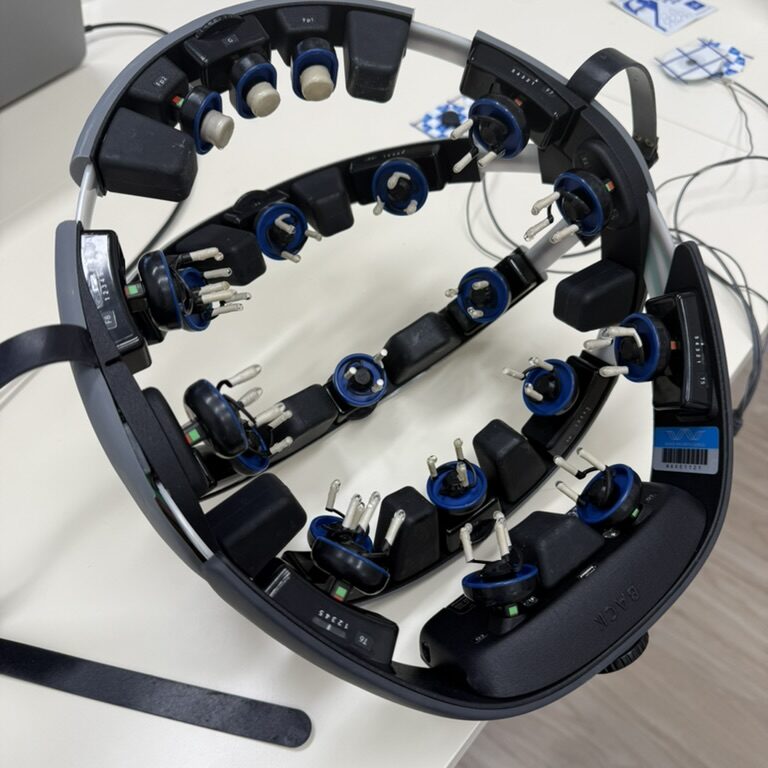
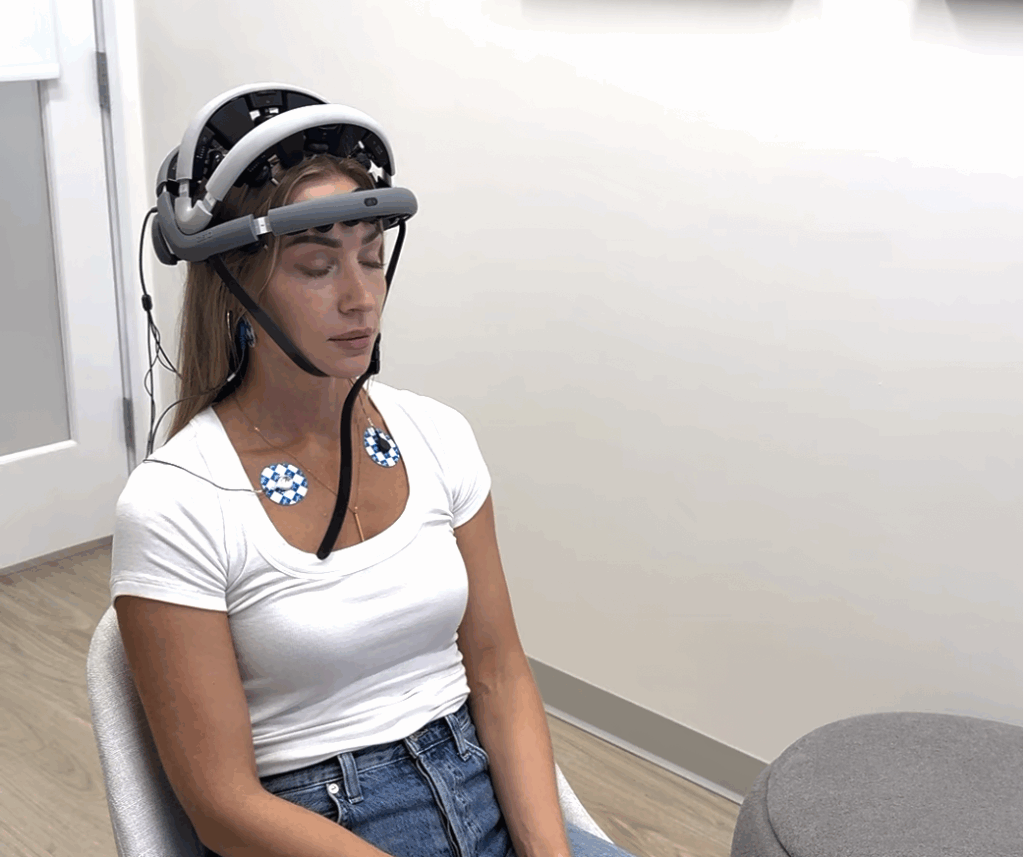
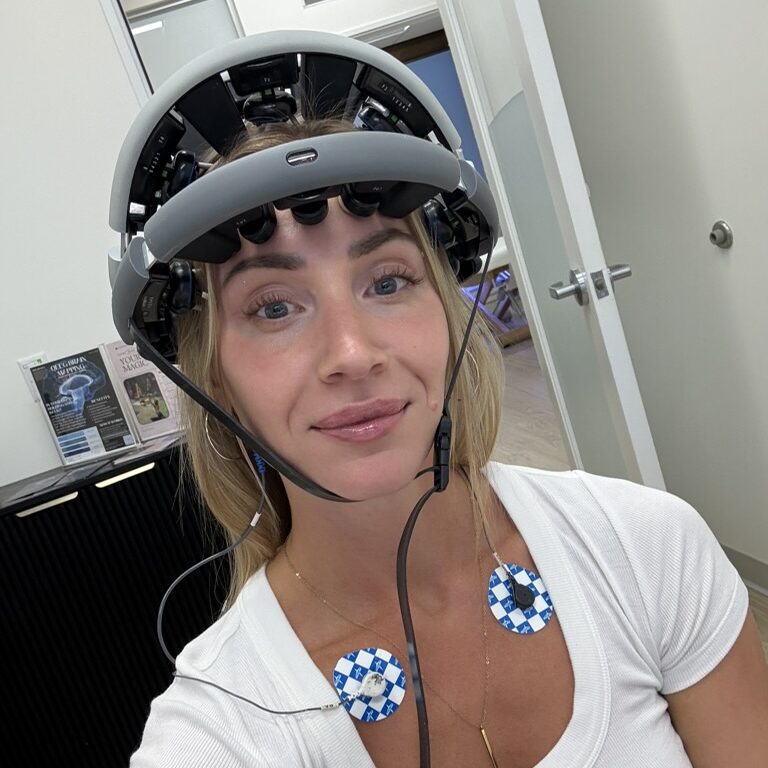
- The patient sits comfortably in a chair while electrodes are placed on their scalp.
- The electrodes record the brain’s electrical activity for a predetermined period.
- The data is then analyzed using specialized software to create a map of the brain’s activity patterns.
Why Do A QEEG Brain Mapping Test?
A Quantitative Electroencephalogram (qEEG) brain mapping test in Newport Beach CA, measures electrical activity in the brain to provide insights into brain function. Here are some key benefits:
- Identifies Brain Dysregulation: qEEG pinpoints abnormal brainwave patterns associated with conditions like ADHD, anxiety, depression, or traumatic brain injury, aiding in accurate diagnosis.
- Personalized Treatment Planning: By mapping brain activity, it helps clinicians tailor interventions like neurofeedback, need for medication or peptide therapy, or other therapy to target specific areas of dysfunction.
- Non-Invasive and Safe: The test is painless, uses no radiation, and simply records brain activity through sensors placed on the scalp.
- Tracks Progress: QEEG can monitor changes in brain function over time, helping assess the effectiveness of treatments or interventions.
- Enhances Neurofeedback Training: It provides a baseline for neurofeedback, guiding targeted training to improve brain function, focus, or emotional regulation.
- Detects Subtle Issues: It can reveal brainwave imbalances that may not be evident through traditional assessments, catching issues early.
- Supports Cognitive Optimization: For non-clinical use, qEEG can identify areas for improving focus, memory, or performance, often used by athletes or professionals.
- Informs Research and Diagnosis: It provides objective data for researchers or clinicians studying neurological or psychological conditions.
WHO IS A GOOD CANDIDATE?
A good candidate for a Quantitative Electroencephalogram (QEEG) brain mapping test in Newport Beach, CA, typically includes individuals who could benefit from detailed insights into their brain function.
People who can benefit from a QEEG Brain Mapping Test:
- Individuals with Neurological or Psychological Conditions: People experiencing symptoms of ADHD, anxiety, depression, PTSD, traumatic brain injury (TBI), autism spectrum disorder, or epilepsy, where qEEG can help identify abnormal brainwave patterns for diagnosis or treatment planning.
- Those Seeking Neurofeedback Therapy: Individuals interested in neurofeedback to improve focus, emotional regulation, or cognitive performance, as QEEG provides a baseline for personalized training protocols.
- People with Unexplained Symptoms: Those with cognitive difficulties, chronic headaches, sleep issues, or mood disturbances that haven’t been fully explained by traditional assessments may benefit from QEEG’s detailed analysis.
- Athletes or High Performers: Individuals aiming to optimize cognitive performance, enhance focus, or improve mental resilience, such as athletes, executives, or students, can use QEEG to identify areas for improvement.
- Children or Adolescents with Developmental Concerns: Kids showing signs of learning disabilities, attention issues, or behavioral challenges, as QEEG can guide interventions like neurofeedback or therapy.
- Individuals Monitoring Treatment Progress: Those undergoing treatment for neurological or mental health conditions who want to track changes in brain function over time.
- ANYONE who wants to: understand themselves more, connect more closely with others, or who wants to truly optimize their health on all levels.
WHAT CAN A QEEG TEST TELL YOU ABOUT YOUR HEALTH?
1) Brain Health and Cognitive Function:
Cognitive Performance: QEEG assesses attention, memory, and executive function by analyzing brainwave balance.
Early Neurological Risk: Abnormal patterns can flag early signs of conditions like:
- Mild cognitive impairment (MCI) or pre-dementia (e.g., increased theta/delta ratios).
- Post-concussion syndrome or traumatic brain injury (TBI) effects (e.g., altered connectivity or slow waves).
- Subclinical hypothyroidism, sleep disturbances and vitamin deficiencies.
Emotional Regulation: can indicate tendencies toward depression or anxiety even sometimes before symptoms develop.
2) Mental Health Insights:
QEEG can identify brainwave patterns linked to mental health conditions:
- Anxiety
- Depression
- Sleep Issues
- OCD
3) Systemic Health Connections:
The brain reflects systemic physiological states, so QEEG abnormalities can hint at issues elsewhere in the body. While not diagnostic for non-brain conditions, QEEG can suggest areas for further investigation:
- Gut-Brain Axis: Gut dysbiosis (e.g., from imbalanced microbiome, as tested by GI-MAP) can alter brainwave patterns via the vagus nerve or inflammation.
- Inflammation and Immune Dysregulation: Chronic systemic inflammation (e.g., from autoimmune conditions, infections, or poor diet).
- Hormonal Imbalances: Thyroid dysfunction, adrenal fatigue (e.g., high cortisol), or estrogen imbalances can alter brainwave activity. For instance, hypothyroidism may increase delta/theta, mimicking fatigue or poor focus.
- Nutrient Deficiencies: Deficiencies in B vitamins, omega-3s, or magnesium (often linked to poor gut absorption) can impair brain function, showing as low beta or high theta. QEEG findings might lead to nutritional testing
- Toxicity or Environmental Exposures: Exposure to heavy metals (e.g., lead, mercury) or mold toxins can disrupt brainwave patterns
- Cardiovascular or Metabolic Health: Poor cerebral blood flow (e.g., from hypertension or diabetes) can reduce high-frequency waves (beta/gamma), affecting alertness. QEEG might indicate a need to check blood pressure or glucose levels
4) Preventive Health and Optimization:
- Baseline for Monitoring: Even without symptoms, QEEG establishes a brain health baseline, useful for tracking changes due to aging, lifestyle, or interventions
- Performance Enhancement: Athletes or professionals use QEEG to optimize focus, resilience, or recovery by identifying brainwave imbalances and tailoring interventions like neurofeedback or meditation.
- Risk Assessment: QEEG can flag risk factors for future issues, like Alzheimer’s or post-concussion effects, prompting early intervention and prevention.

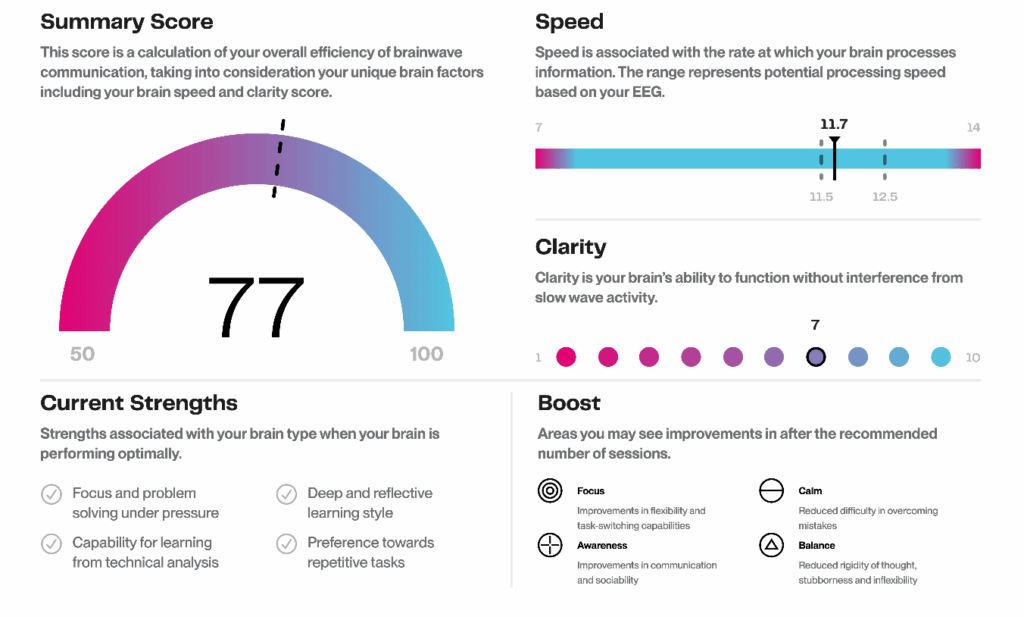
How QEEG Connects to Systemic Health Issues:
The brain acts as a “canary in the coal mine” for systemic health because it’s sensitive to inflammation, oxidative stress, and metabolic changes. For example:
- Gut Health: As you asked about GI-MAP, gut dysbiosis can produce metabolites that cross the blood-brain barrier, causing inflammation and altering QEEG patterns. A QEEG showing cognitive sluggishness might suggest a gut test to check for pathogens or inflammation.
- Systemic Inflammation: Conditions like rheumatoid arthritis or chronic infections can increase slow waves or disrupt connectivity, visible on QEEG.
- Stress and Autonomic Dysregulation: Chronic stress or poor vagal tone (linked to gut and heart health) can elevate beta waves, indicating hyperarousal.
- Sleep and Systemic Recovery: Disrupted alpha/theta transitions in QEEG can reflect poor sleep, which may stem from systemic issues like adrenal dysfunction or sleep apnea, warranting further tests.
Looking for a QEEG Brain Mapping Test in Newport Beach, CA?
Here’s how to get started & what the process could look like:
- Get a QEEG: Consult Dr Judd at Beyond Functional Medicine in Newport Beach, CA to perform a QEEG. Specify you’re interested in systemic health insights, so they analyze for patterns beyond neurological conditions.
- Integrate with Other Tests: Pair QEEG with tests like GI-MAP (for gut health), blood panels (for inflammation, hormones, nutrients), or HRV (for autonomic health) for a holistic picture.
- Follow-Up: If QEEG shows abnormalities (e.g., high theta suggesting inflammation), work with a functional medicine doctor to explore systemic causes (e.g., gut dysbiosis, infections).
- Lifestyle Support: Optimize brain and body health with a diverse diet (rich in fiber, omega-3s), stress management, and sleep hygiene, as these influence QEEG patterns.
While qEEG is valuable, it should be interpreted by trained professionals, like Dr Cambria Judd here at Beyond Functional Medicine in Newport Beach, CA, as results depend on context and expertise.
A Quantitative Electroencephalography (QEEG) test benefits health optimization by mapping brainwave patterns to reveal cognitive, emotional, and neurological strengths or imbalances, even without symptoms. It identifies subtle issues like poor focus, stress-related hyperarousal, or inflammation-driven brain fog, which may stem from systemic factors like gut dysbiosis or nutrient deficiencies. By establishing a baseline for brain function, QEEG guides personalized interventions such as neurofeedback, diet, or lifestyle changes to enhance mental clarity, resilience, and overall well-being. For those seeking peak performance or preventive health, it provides actionable insights to optimize brain-body connections!
To learn more or schedule an appointment, contact us today!
CONTACT
email – info@cambriajuddmd.com
phone – 949.229.0626
240 Newport Center Drive, Suite 220, Newport Beach, CA 92660